in today's digital era, american servers and cloud computing have become an important part of enterprise information technology infrastructure. however, as the international situation changes, the cloud computing sanctions imposed by the united states on certain countries are having a significant impact on the operations of many companies. these sanctions not only limit companies' ability to acquire advanced technologies, but may also lead to data security risks, rising costs and other issues. therefore, it is particularly important to understand the impact of these sanctions and to find effective response strategies. this article will provide an in-depth analysis of these impacts and propose feasible solutions.
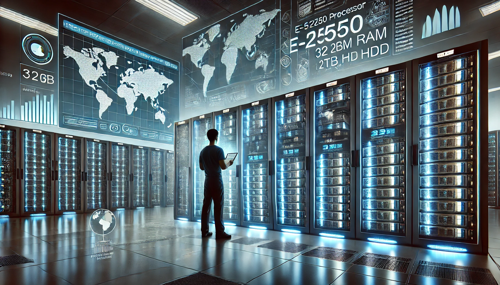
in recent years, with changes in the global political and economic situation, the united states has imposed varying degrees of technical sanctions on some countries, especially in the fields of cloud computing and server technology. the main purpose of these measures is to limit potential security threats and protect national interests. sanctions not only affect the scientific and technological progress of the sanctioned country, but also affect the international companies that do business with it, causing wider economic losses.
the u.s. sanctions on cloud computing have had many impacts on enterprises, including the following:
with sanctions restricting corporate access to u.s. cloud services, many businesses have been forced to look for alternatives. this often means investing in local servers or cloud services in other countries, which can lead to significant increases in operating costs. in addition, businesses will need to bear additional costs for technology transfer or data migration.
cloud computing service providers usually have strong security measures in place. however, switching to servers or cloud services in other countries may increase data security risks. the security standards, compliance and technical support levels of these service providers may not be comparable to those of top u.s. services, resulting in an increased risk of data breach or loss.
affected by sanctions, companies may not be able to obtain the latest technological updates and innovative services in a timely manner. this will put the company at a competitive disadvantage and be unable to quickly adapt to market changes, affecting its long-term development.
sanctions not only affect companies that directly use u.s. technology, but may also affect other companies that work with these companies. technical limitations of partners may cause project delays and affect the operational efficiency of the entire supply chain.
facing the challenges brought by us server and cloud computing sanctions, enterprises should adopt active response strategies to reduce the impact and remain competitive:
enterprises can look for cloud service providers in other countries as alternatives, such as service providers in europe, asia and other regions. while the service levels of these providers may vary, you should focus on their data security and service stability when choosing one.
investing in local data centers and servers is an effective way for companies to deal with sanctions. although the initial investment is larger, in the long term this can improve data security and reduce dependence on external services.
enterprises should strengthen compliance management in international business transactions, ensure compliance with relevant laws and regulations, and avoid legal risks caused by violations of sanctions. this can be achieved by establishing a dedicated compliance team to track policy changes in a timely manner.
enterprises should increase investment in technology research and development and employee training, and improve the technical capabilities of internal teams to better respond to changes and challenges in the international market. this not only helps enterprises not to be affected by sanctions technically, but also enhances their competitiveness.
as geopolitics changes, the cloud computing industry will face more uncertainties. in the future, enterprises will pay more attention to data security, compliance and service sustainability when choosing cloud services. at the same time, with the continuous advancement of technology, enterprises also need to continuously adapt to emerging technology trends, such as edge computing and artificial intelligence, to ensure survival and development in complex environments.
in general, the impact of u.s. server and cloud computing sanctions on enterprises is far-reaching, and enterprises need to consider multiple aspects and formulate practical response strategies when responding. by finding alternative services, enhancing local infrastructure, strengthening compliance management and improving technical capabilities, companies can effectively reduce the risks caused by sanctions and ensure steady progress in a changing market. at the same time, maintaining attention to future technological developments will help companies remain invincible in the competition.
- Latest articles
- Hong Kong Cheap VPS Speed Review: Actual Bandwidth Peak And Stability Report
- Key Points Regarding Security Qualifications And Contract Terms For Companies That Can Choose Taiwanese Cloud Servers
- Frequently Asked Questions And Points To Note On Obtaining And Verifying IP Addresses For Google Servers In Korea
- Technical Tutorial: How To Set Up A VPS On TikTok Singapore And Ensure Stable Multi-account Operation
- Summary Of Common Issues And Quick Troubleshooting Methods For Singapore Servers Via Tencent Cloud
- What Should Be Noted In Korean Cloud Servers? Data Backup And Disaster Recovery Mechanisms Should Not Be Overlooked
- Price And Performance Comparison Shows Which Malaysian VPS Is Best For Long-term Rental
- Quick Comparison Of Common Vendors And Price Range Recommendations For Renting Servers In Singapore
- Practical Steps To Establish A Brand Communication Circle In Amazon Japan QQ Groups
- Legal Compliance Perspective: Assessing Usage Scenarios And Risk Control For Taiwan's Multi-IP Server Clusters
- Popular tags
-
Performance Monitoring Indicators Help Optimize Resource Utilization Of Us High-defense Server 100g
this article introduces how to optimize the resource utilization of us high-defense server 100g through key performance monitoring indicators, including specific monitoring items, threshold recommendations, real cases and configuration examples, combined with table data to demonstrate the effect. -
The Network And Host Integration Policy Explains How To Secure US Servers
This article explains how to integrate strategies at the network and host levels to make US servers (VPS/hosts) more secure, including specific configuration examples, real-world cases, and performance/protection data demonstrations. -

Detailed Explanation Of Network Link Selection And Bandwidth Redundancy Design Specifications For Qualcomm High-defense Servers In The United States
Qualcomm high-defense servers for U.S. deployments introduce < B></b> network link selection, bandwidth redundancy design, link diversification and switching strategies, combined with BGP, multi-carrier, and monitoring to achieve high availability and damage resistance.